
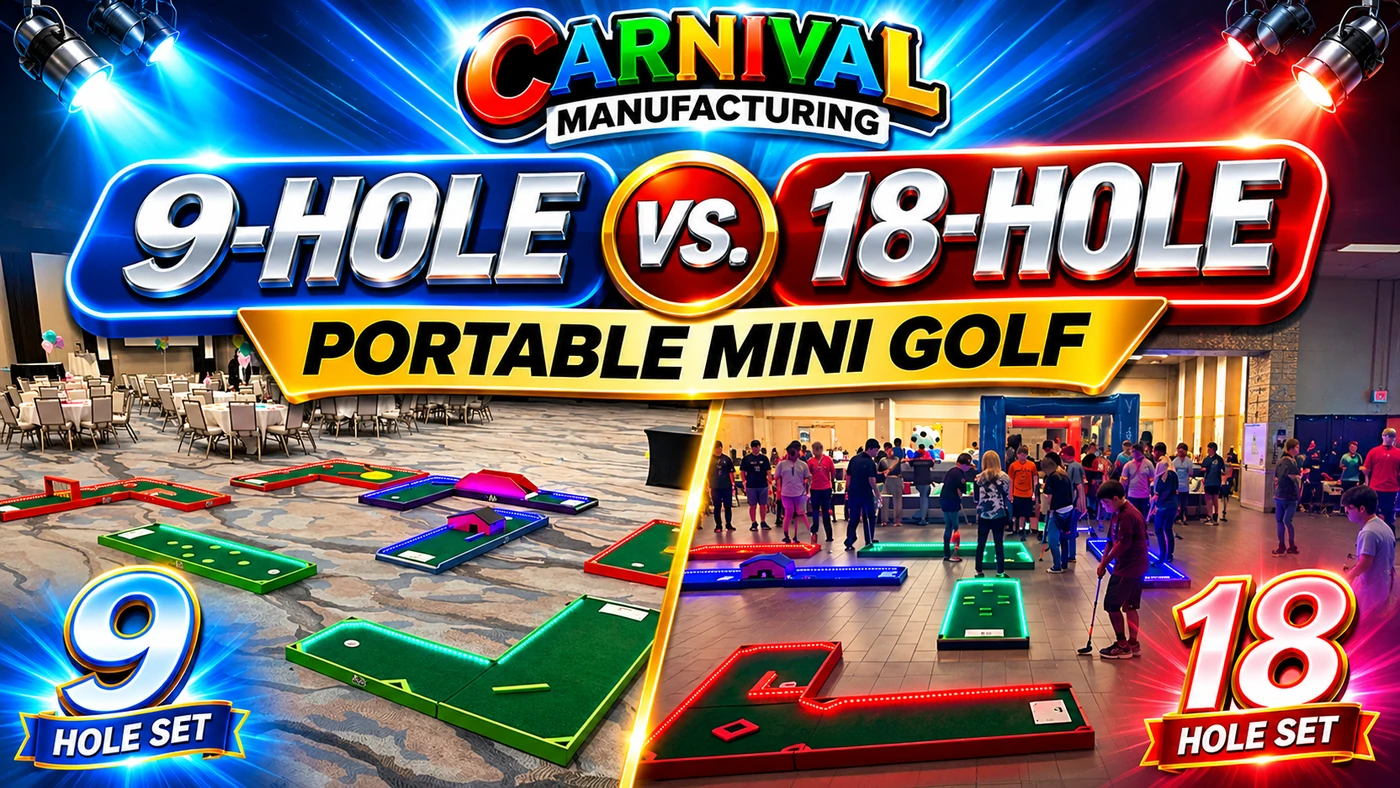
The right course size depends on the room or field you have, guest volume, available staff and the experience you want to provide. More holes add variety but require more space and equipment handling.
How the course sizes differ
| Consideration | 9-hole course | 18-hole course |
|---|---|---|
| Space | More flexible for smaller venues | Requires a more deliberate footprint and walkways |
| Transport | Fewer sections to move | More sections, storage and handling |
| Experience | Shorter, approachable event activity | Longer and more varied play opportunity |
| Staffing | Often easier for a small team | May need additional management at busy events |
| Price | Usually lower initial investment | Usually greater initial investment |
Measure before you order
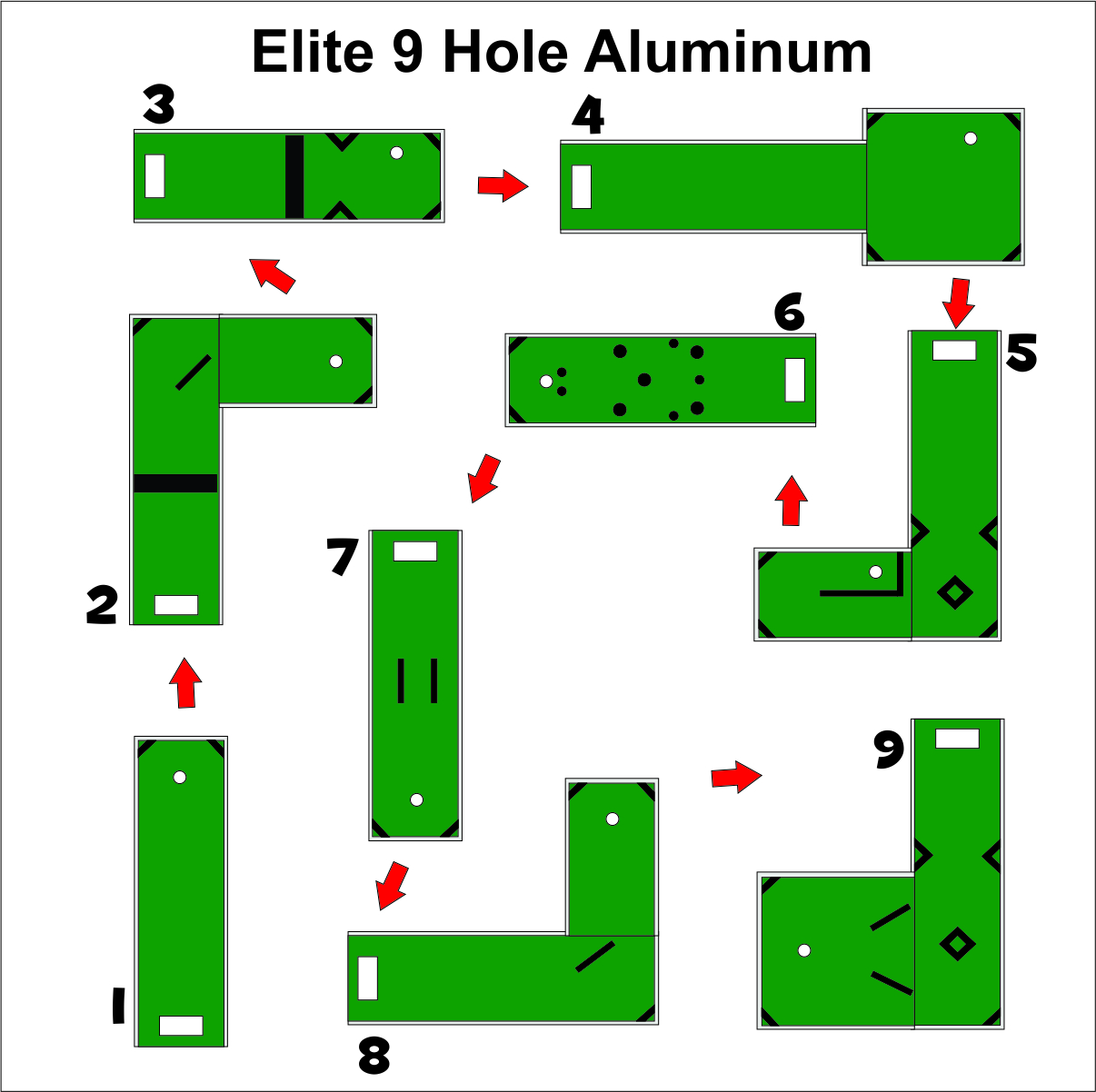
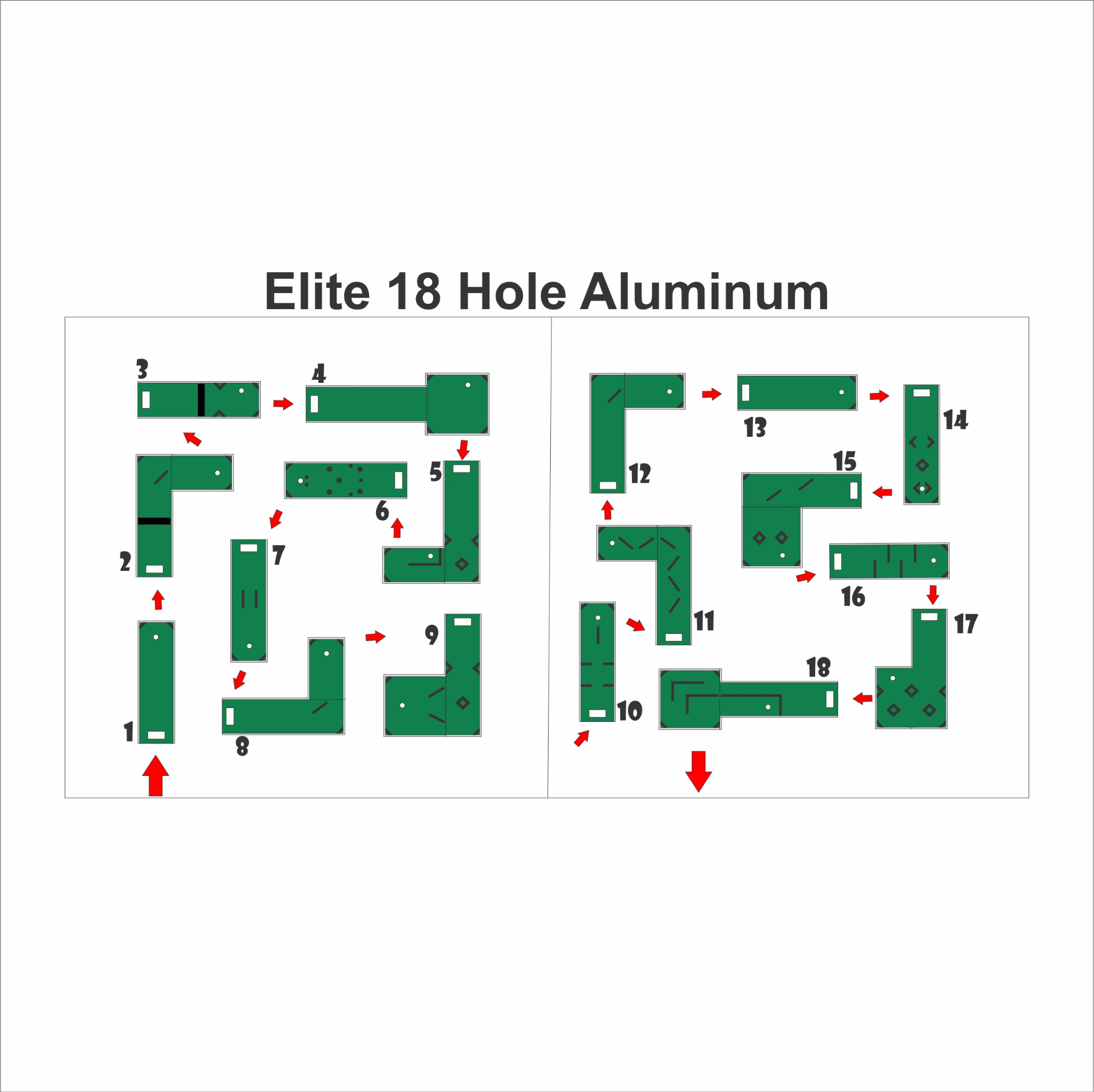
A set of diagrams shows the hole shapes, not the full event footprint. Add walking paths, queuing area, table space, entrances, and wheelchair or stroller access where appropriate. Your precise layout should depend on the venue and local rules, not just the physical size of the putting surface.
Think about guest flow
For a community festival, a 9-hole course may offer a quick activity that fits alongside other attractions. An 18-hole event can become a more central feature but may need a more structured player route. Course flow depends on how many groups play at once and how long they spend on each hole; avoid claiming guaranteed players per hour without timing your own events.
Look at actual drawings
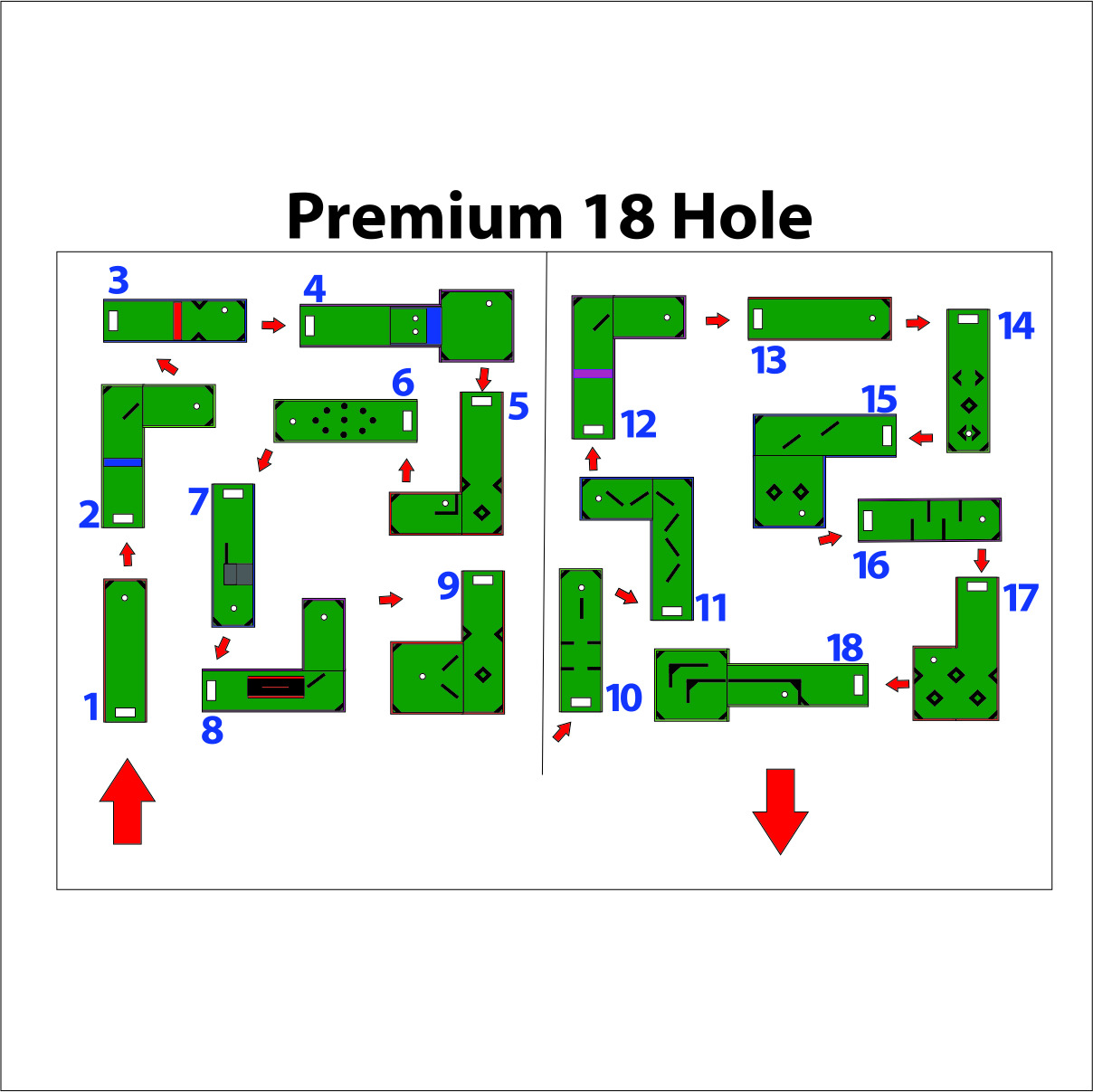
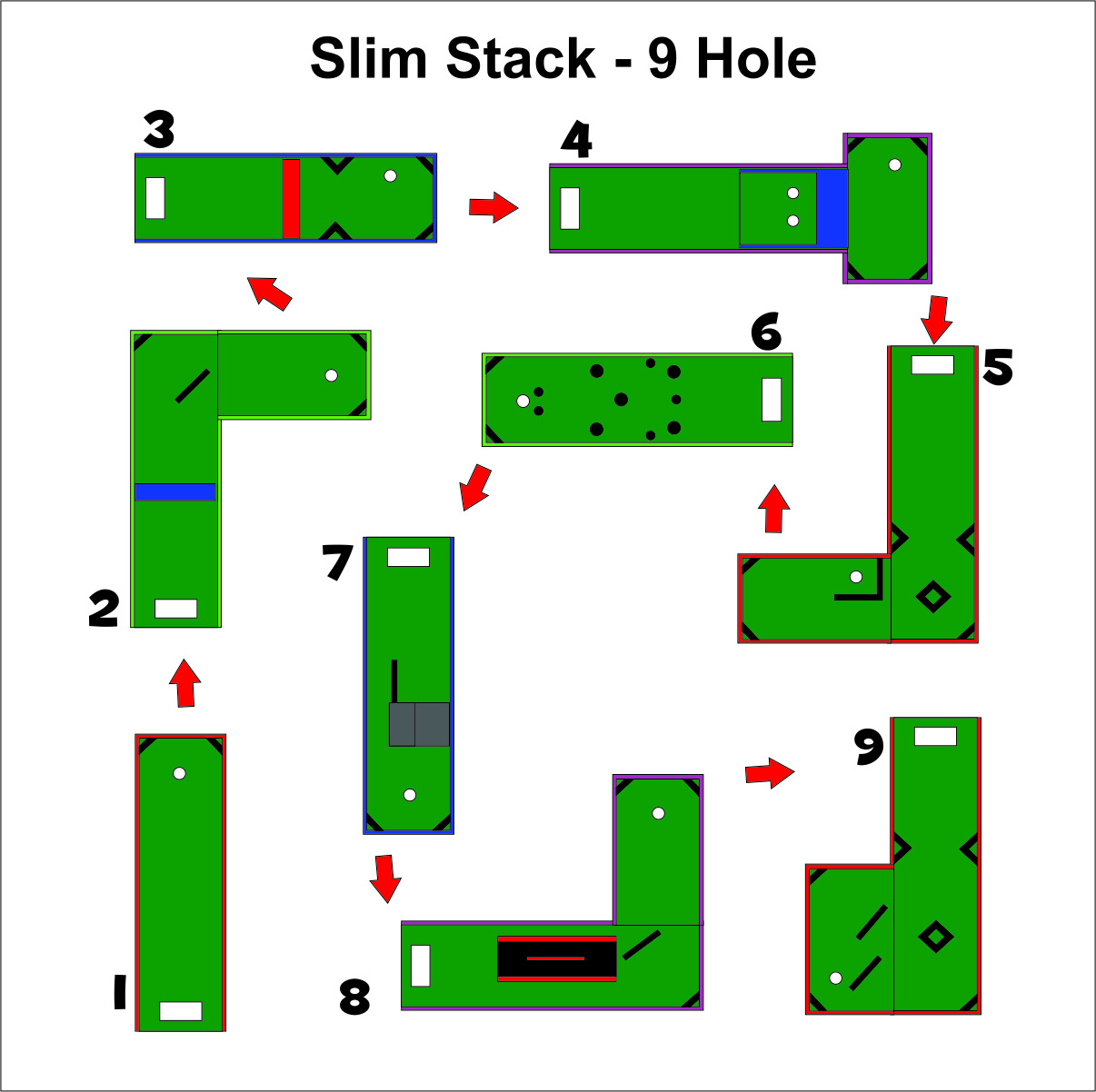
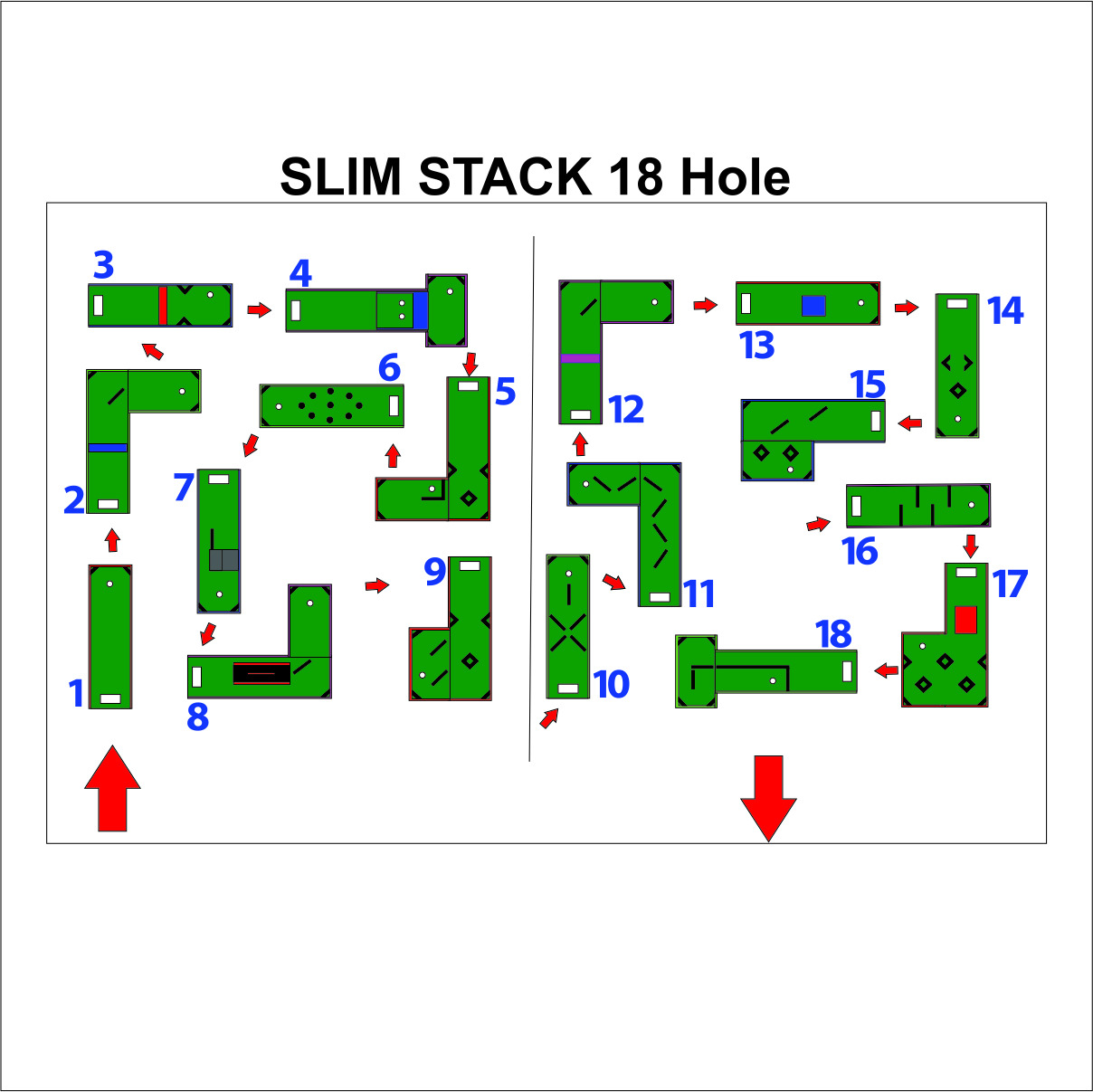
We publish the original numbered layouts for the models provided, including detailed views of Basic, Slim Stack, Premium, Standard, Classic and Elite. The 18-hole diagrams show how additional holes change a course, not merely double the area of a nine-hole setup.
Ready to compare actual equipment?
Use our original layout drawings to see how the models differ, then visit CarnivalMFG.com for live pricing and purchase options.